Bahian food guide
What Bahian cuisine actually is, where its flavours come from, and how to order confidently as a first-time visitor to Salvador.
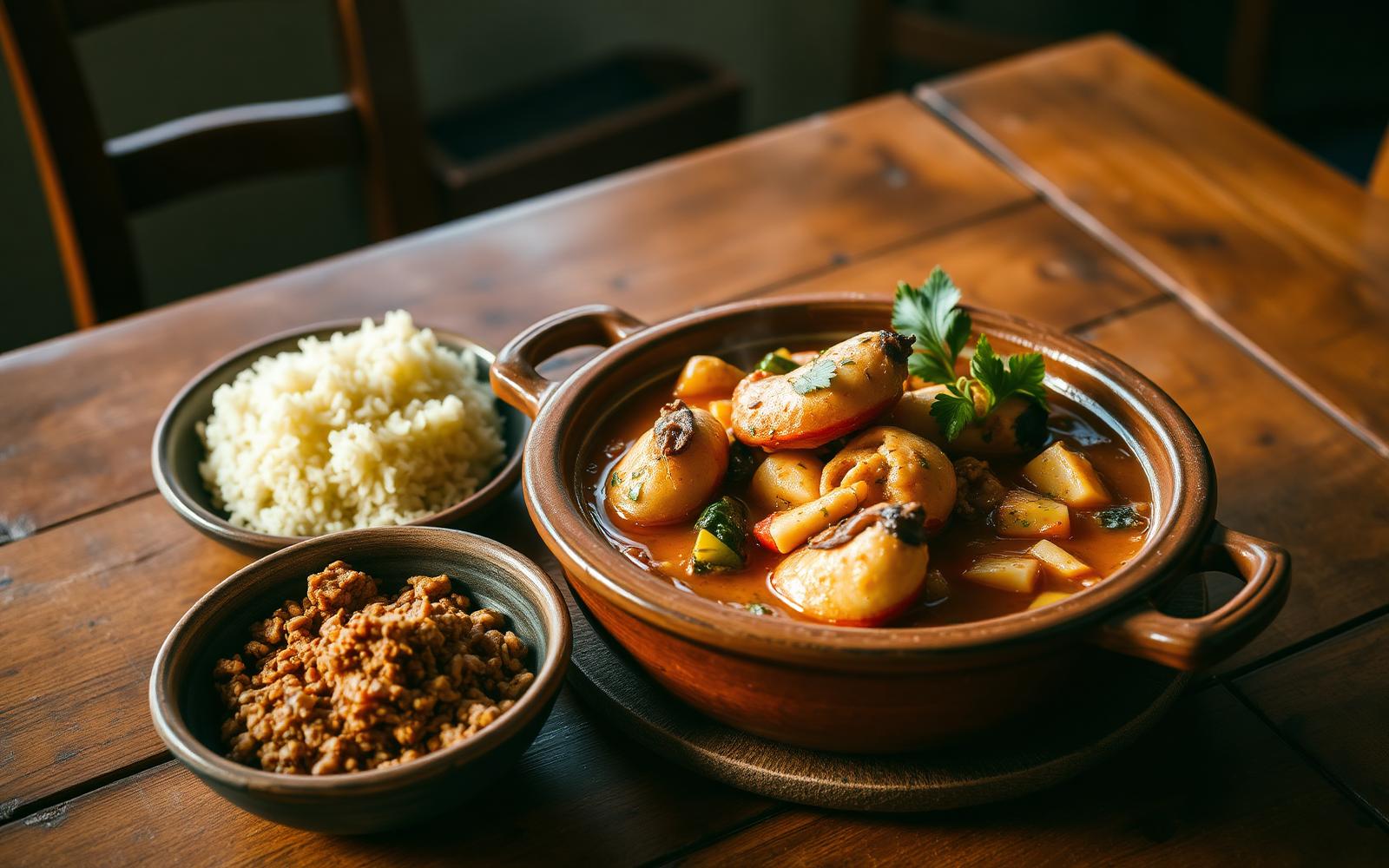
Bahian cuisine is not a regional variation of Brazilian food; it is its own tradition, built on West African technique and ingredients adapted to the Atlantic coast. Once you recognise the base — dendê palm oil, coconut milk, dried shrimp, chilli, coriander and seafood — the menu stops being intimidating.
The dishes to know
- Acarajé — black-eyed pea fritter deep-fried in dendê, split and filled with vatapá, caruru, dried shrimp and salad. Sold by baianas whose white dress is part of a religious tradition.
- Abará — the same dough steamed in banana leaf instead of fried; lighter, and often overlooked by visitors.
- Moqueca baiana — fish or seafood stew cooked with dendê, coconut milk, peppers, onion and coriander, served in a clay pot with rice and farofa.
- Vatapá — a creamy purée of bread, shrimp, coconut milk, peanuts and dendê; a filling for acarajé and a dish on its own.
- Caruru — okra cooked with dried shrimp and dendê, with religious as well as culinary significance.
- Bobó de camarão — prawns in a cassava and coconut cream, richer and gentler than moqueca.
- Seafood generally — the bay and the Atlantic supply the menu, so ask what came in that day.
- Cocadas and regional sweets — coconut sweets in many textures, sold on beaches and in markets.
Dendê is rich. If you are not used to it, start with one dendê dish per day and drink plenty of water — locals will tell you the same thing.
Frequently asked questions
- Is Bahian food very spicy?
- Not by default. The chilli (pimenta) is usually served separately so you control the heat — say 'sem pimenta' if you want none.
- Is there anything for vegetarians?
- Yes, but check carefully: dried shrimp appears in many dishes that look vegetarian, including some vatapá and caruru.
Related reading
What to eat in Salvador
If you only have a few meals, spend them like this.
Street food
The most important meal in Salvador is often bought standing up.
Where to eat
Neighbourhood by neighbourhood, plus the places locals send visitors.