LGBTQIA+ Salvador: welcome & overview
An honest overview of LGBTQIA+ Salvador for international visitors: where queer life happens, what to expect socially, and how to plan.
Editorial team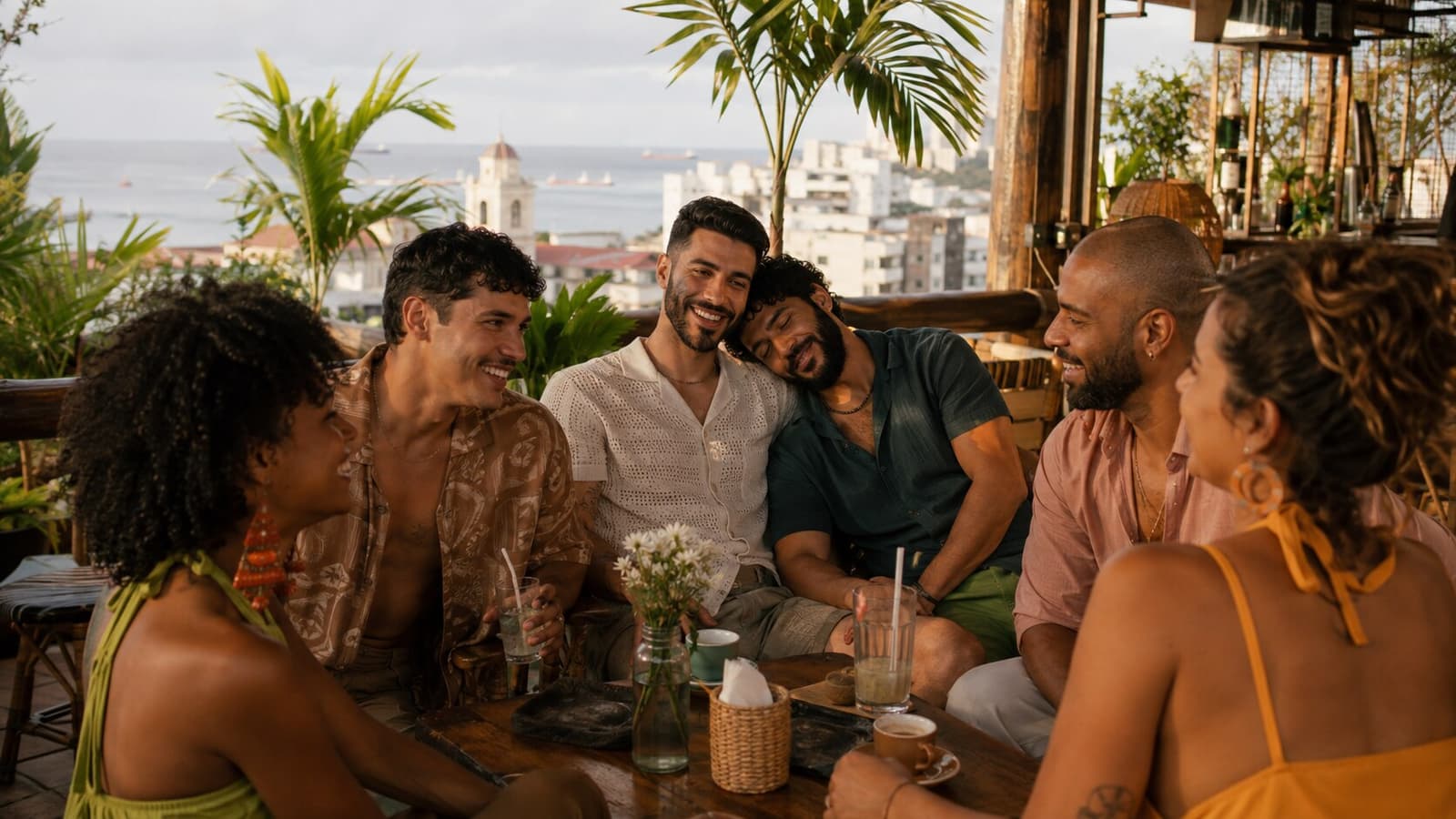
Salvador is an expressive, sociable city where LGBTQIA+ people are a visible part of everyday life, music, performance, Carnival and nightlife. Queer visitors do not need a parallel version of the city: the same beaches, museums, historic districts, restaurants and neighbourhoods that work for other visitors also work for LGBTQIA+ travellers. What changes most is where it makes sense to stay if nightlife is a priority, and which events and spaces have particular relevance to the community.
Understanding LGBTQIA+ Salvador
Salvador does not have a formal gay district. LGBTQIA+ life is woven into a deeply Black, musical and street-oriented city, appearing in explicitly queer spaces as well as mixed venues, parties, performances, beaches, cultural centres and major public celebrations. That mix is part of the experience: the scene is real, visible and historically important, but it is not isolated from the rest of Salvador.
Best neighbourhoods for LGBTQIA+ visitors
There is no separate LGBTQIA+ map of Salvador. The neighbourhoods we recommend for a first visit are the same ones we recommend to other travellers. The best choice depends on the kind of trip you want.
- Barra: the easiest all-round base for a first visit, with beaches, a seafront promenade, restaurants and practical access to other parts of the city.
- Rio Vermelho: the best choice if bars, clubs, live music and late nights matter to you. Many of the explicitly LGBTQIA+ venues in our current selection are concentrated here.
- Ondina: quieter than Rio Vermelho and very well placed between it and Barra, with several beachfront accommodation options.
- Historic Center and Santo Antônio Além do Carmo: better for heritage, culture, atmosphere, bars and events than for a club-focused trip.
Culture and LGBTQIA+ life
Queer life in Salvador is closely tied to music, Afro-Brazilian culture, performance, social movements and the occupation of public space. A good LGBTQIA+ night therefore does not always mean an exclusively gay club: it may be a drag party, a samba programme, a cultural house, a Carnival rehearsal or a mixed venue with a strong queer presence.
Events, Carnival and queer visibility
Carnival is one of the clearest expressions of LGBTQIA+ visibility in Salvador. Queer participation is not limited to one bloco or venue: it appears across street circuits, parties, performances, costumes and the public space of the celebration itself.
In 2026, Salvador again hosted the Concurso Nacional de Fantasia Gay and the Rainha LGBTrans competition at Praça Municipal with City Hall support. These are traditions connected to the LGBTQIA+ history of Salvador Carnival, not side events hidden away from the main celebration.
Outside Carnival, the calendar includes the Bahia LGBT+ Pride Parade, the Bahia Trans March, drag nights, parties, cultural programmes and one-off events throughout the year. Dates, routes and line-ups change, so check current listings close to your travel dates.
Beaches and daytime experiences
During the day, you still do not need a separate version of Salvador. Porto da Barra is particularly diverse, sociable and popular with the LGBTQIA+ community, while remaining a shared urban beach for every kind of visitor. Barra also works very well for combining the sea, walking, museums and sunset.
Museums, cultural centres, the Historic Center, Santo Antônio Além do Carmo and the other general Salvador Insider recommendations are equally suitable for LGBTQIA+ visitors. The point is not to manufacture a list of 'gay places', but to show where diversity is a natural part of the atmosphere.
Affection, safety and practical life
For most LGBTQIA+ visitors, useful safety advice is much the same as for anyone visiting a large Brazilian city. Salvador is socially diverse and visibly queer, but that does not remove ordinary urban risks or the possibility of discrimination.
- In busy, mixed areas such as Barra, Rio Vermelho and the main tourist zones, LGBTQIA+ couples and groups are a normal part of the social landscape.
- Late at night, use door-to-door transport such as Uber or 99 instead of walking long distances between neighbourhoods.
- For first dates arranged through apps, meet in a public place and tell someone where you are going.
- Use your phone discreetly, avoid empty streets late at night and plan your trip home before the night ends.
- If a venue or situation feels hostile, leave. A generally welcoming city cannot guarantee the behaviour of every person or every street.
If you need help after anti-LGBTQIA+ discrimination or violence
Salvador has specialised public services for support, guidance and reporting. These are the most useful contacts for a visitor:
- CPDD-LGBT — Centre for the Promotion and Defence of LGBT Rights: Casarão da Diversidade, Rua do Tijolo, 8, Pelourinho. It provides multidisciplinary support, including legal and social guidance. WhatsApp: +55 (71) 99931-0329. Email: atendimento.lgbt@sjdh.ba.gov.br. Monday to Friday, 8am–5pm.
- COERCID — Specialised Coordination for Crimes of Intolerance and Discrimination: Rua Padre Vieira, Historic Center. It receives reports and investigates crimes involving intolerance and discrimination. Phones: +55 (71) 3450-7317, 3450-1111, 3450-2016 and 3450-7511. Monday to Friday, 8am–6pm.
- DECRIN — Specialised Police Station for Combating Racism and Religious Intolerance: CPCD, Rua Padre Luiz Figueira, s/n, Engenho Velho de Brotas. It also handles offences motivated by prejudice and discrimination. Phones: +55 (71) 99637-8289, 3450-1111, 3450-2016, 3450-7317 and 3450-7511.
- Online reporting: when the type of incident can be registered online, a police report can be started through the official Delegacia Virtual platform. For an immediate emergency, call 190. Human-rights violations can also be reported through Disque 100.
Continue exploring
We keep separate pages only when they genuinely justify the extra click. Our LGBTQIA+ nightlife guide covers current bars, clubs and spaces. Accommodation remains separate because calling a property LGBTQIA+-friendly requires property-by-property verification.
Related reading

LGBTQIA+ nightlife: bars, clubs & cultural spaces
A practical Rio Vermelho guide to queer nights, live music, drag, drinks and five current venue options, with same-day verification where needed.
Read guide
LGBTQIA+ friendly accommodation
A verified list with the strength of evidence stated instead of applying the same label to every hotel.
Read guide