Bahian Moqueca in Salvador
A local guide to Bahian moqueca in Salvador: dendê, coconut milk, fish and seafood, regional differences, sides and how to order it confidently.
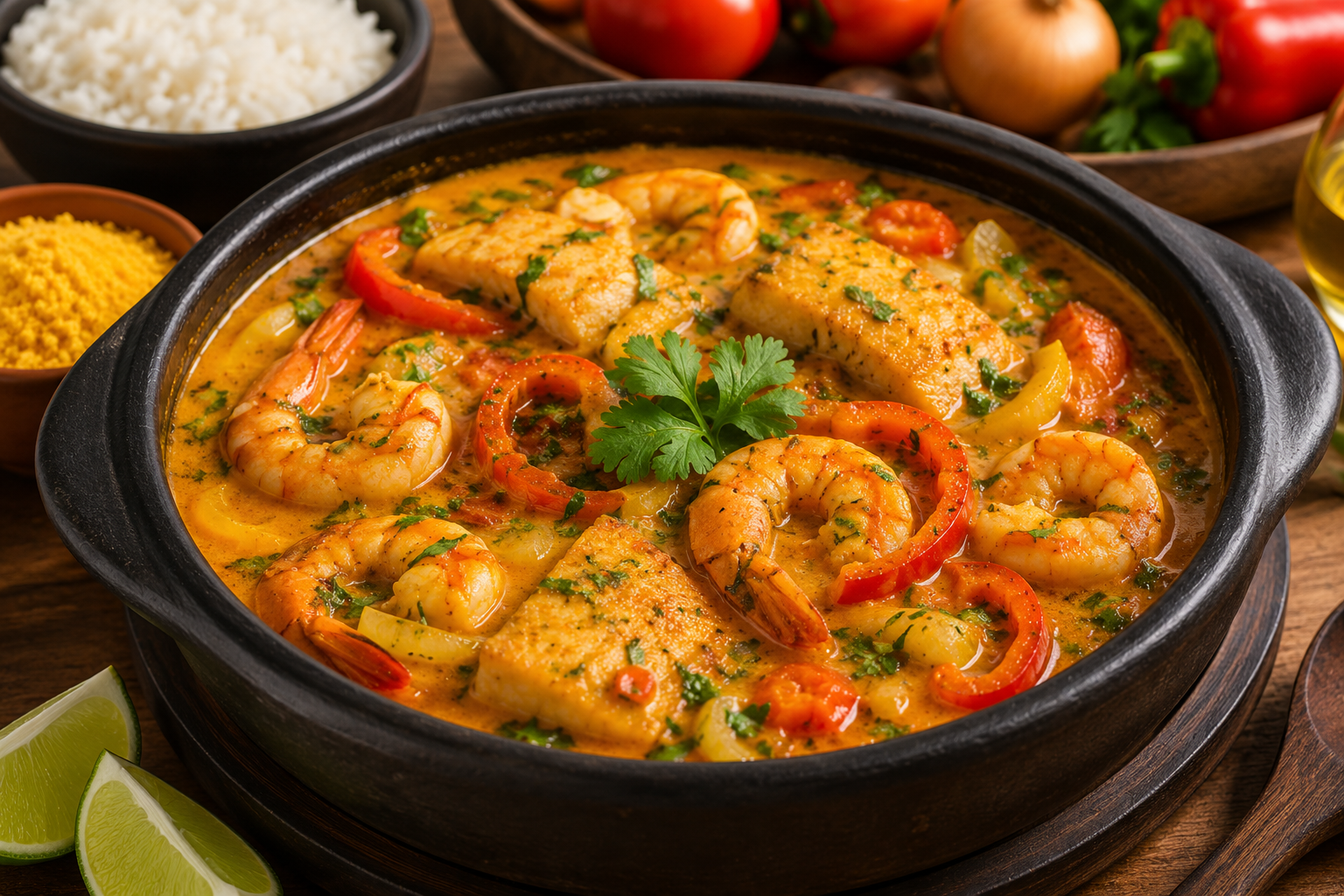
Moqueca arrives at the table making an entrance. The pot is hot, the broth is deeply coloured, the smell of coconut, peppers, herbs and dendê reaches you before the first spoonful, and someone will almost certainly start serving rice while the stew is still bubbling. In Salvador, this is not a shy dish.
The secret is not simply adding dendê. It is knowing when enough is enough.
What makes a moqueca Bahian?
There are different regional traditions called moqueca in Brazil. Here we are talking specifically about moqueca baiana: the Bahian tradition associated with fish or seafood cooked with aromatics, peppers and tomatoes, with coconut milk and dendê palm oil providing two of its most recognisable signatures. Recipes vary from kitchen to kitchen, which is exactly why two moquecas ordered in Salvador can taste surprisingly different.
And yes, Espírito Santo has its own moqueca tradition. It is genuinely different and generally does not use the coconut milk and dendê that mark the Bahian version. Both exist. This guide is about the one you came to Bahia to eat.
The dendê question
Dendê is powerful. A relatively small amount can give moqueca its characteristic warm colour, aroma and unmistakably Bahian flavour. More is not automatically better. A heavy hand can dominate the coconut milk, seafood and vegetables and make the whole dish feel richer and heavier than it needs to be.
If you are not used to rich, fatty foods, a very dendê-heavy moqueca may also be harder on your stomach. Individual tolerance varies, so there is no need for culinary heroics on day one. You can simply ask the waiter whether the kitchen can prepare yours with a little less dendê.
INSIDER TIP — New to dendê? Ask for 'pouco dendê' or 'pouco azeite de dendê'. You still want enough to give the dish its Bahian character; the idea is balance, not removing it altogether.
INSIDER TAKE — We prefer moqueca on the lighter side, with enough dendê for its aroma, colour and flavour without allowing the palm oil to take over the pot. That is a local editorial preference, not a rule. Plenty of people in Bahia happily prefer a more generous hand.
Fish, shrimp — or something else?
Fish and shrimp are the easiest starting points, and many restaurants offer a mixed version with both. But Salvador's moqueca vocabulary goes much further: octopus, lobster, crab, soft-shell crab, shellfish and combinations of seafood all appear, while some kitchens also make vegetarian versions. The cooking principle remains recognisable even as the main ingredient changes.
Don't ignore the sides
Moqueca is usually part of a small ecosystem rather than a lonely pot. White rice gives the broth somewhere useful to go. Farofa adds a dry, toasted contrast. Pirão — made by thickening flavourful cooking liquid with cassava flour — turns part of the meal into something almost creamy. Restaurants vary, so check what is included before ordering extras.
Choosing where to eat moqueca
The moqueca guide explains the dish; Salvador Insider's current restaurant recommendations now live in our central Where to Eat guide. There you can compare classic moqueca references, refined Bahian cooking and options that fit naturally into a Pelourinho or Rio Vermelho day without maintaining the same venue list in two places.
If you prefer a lighter moqueca, ask before the order goes to the kitchen. Once the pot arrives, negotiations with the dendê are largely over.
Useful Portuguese
| Say this | What it means |
|---|---|
| Uma moqueca, por favor. | One moqueca, please. |
| Pode fazer com pouco dendê? | Can you make it with less dendê? |
| É individual ou serve duas pessoas? | Is it for one or does it serve two? |
| Quais acompanhamentos estão incluídos? | Which side dishes are included? |
Frequently asked questions
- What is Bahian moqueca?
- It is a Bahian fish or seafood stew whose characteristic flavour profile commonly includes coconut milk and dendê palm oil alongside vegetables, herbs and seasonings. Recipes vary substantially between cooks and restaurants.
- Is Bahian moqueca spicy?
- Not necessarily. Its intensity comes from several ingredients, especially dendê and aromatics, but chilli heat varies by kitchen. If you are sensitive to chilli, ask before ordering rather than assuming the orange colour means it is very hot.
- What is the difference between Bahian and Capixaba moqueca?
- They are distinct regional traditions. The Bahian version is associated with coconut milk and dendê palm oil, while the Capixaba tradition from Espírito Santo generally omits both and follows its own ingredient and cooking conventions.
- Can I ask for less dendê?
- You can ask. Whether the kitchen can adjust it depends on how that restaurant prepares its base, so make the request before the dish is cooked. 'Pode fazer com pouco dendê?' is the useful phrase.
Related reading
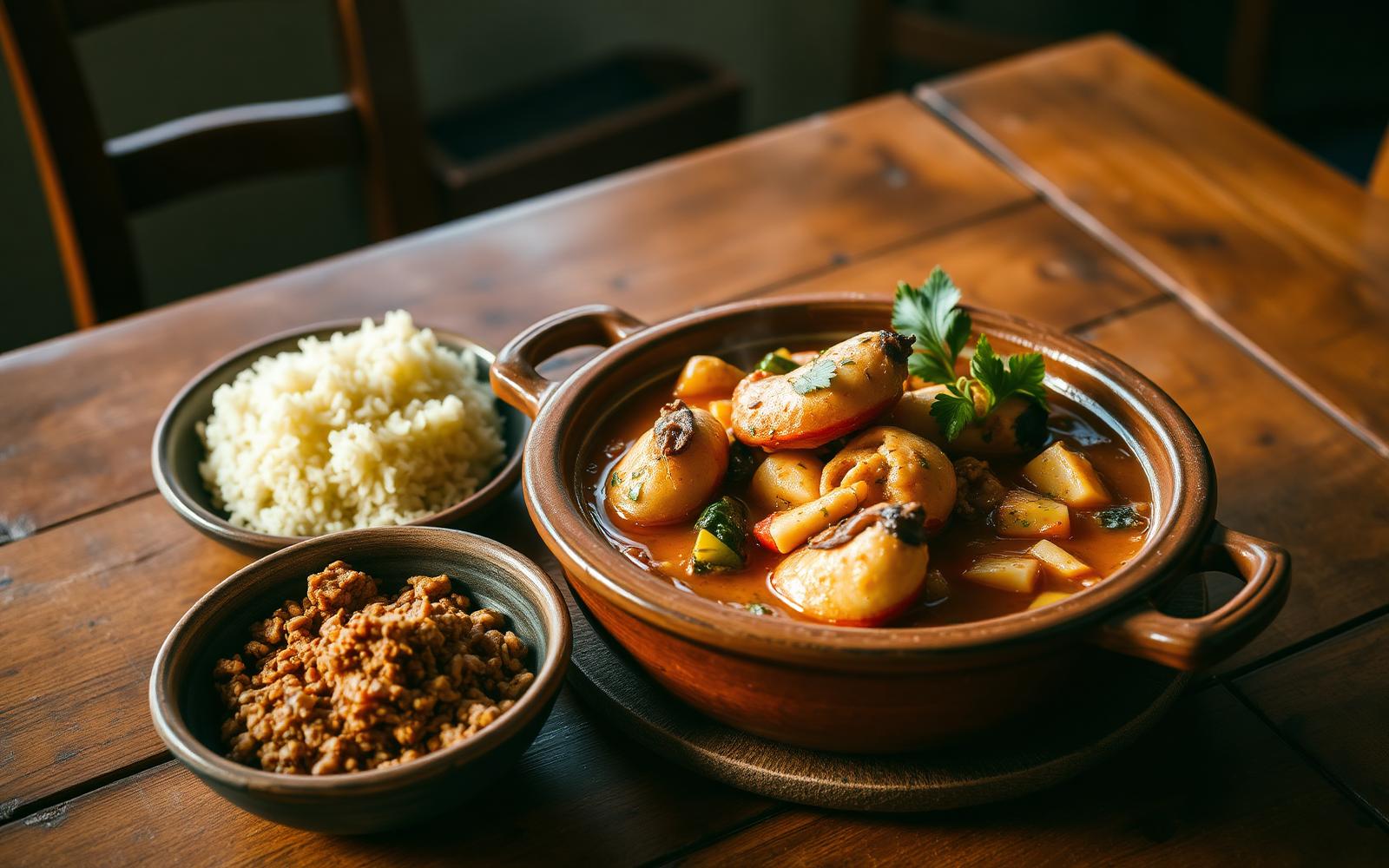
Bahian food guide
Dendê, coconut milk, dried shrimp and the sea: the grammar of Bahian cooking.
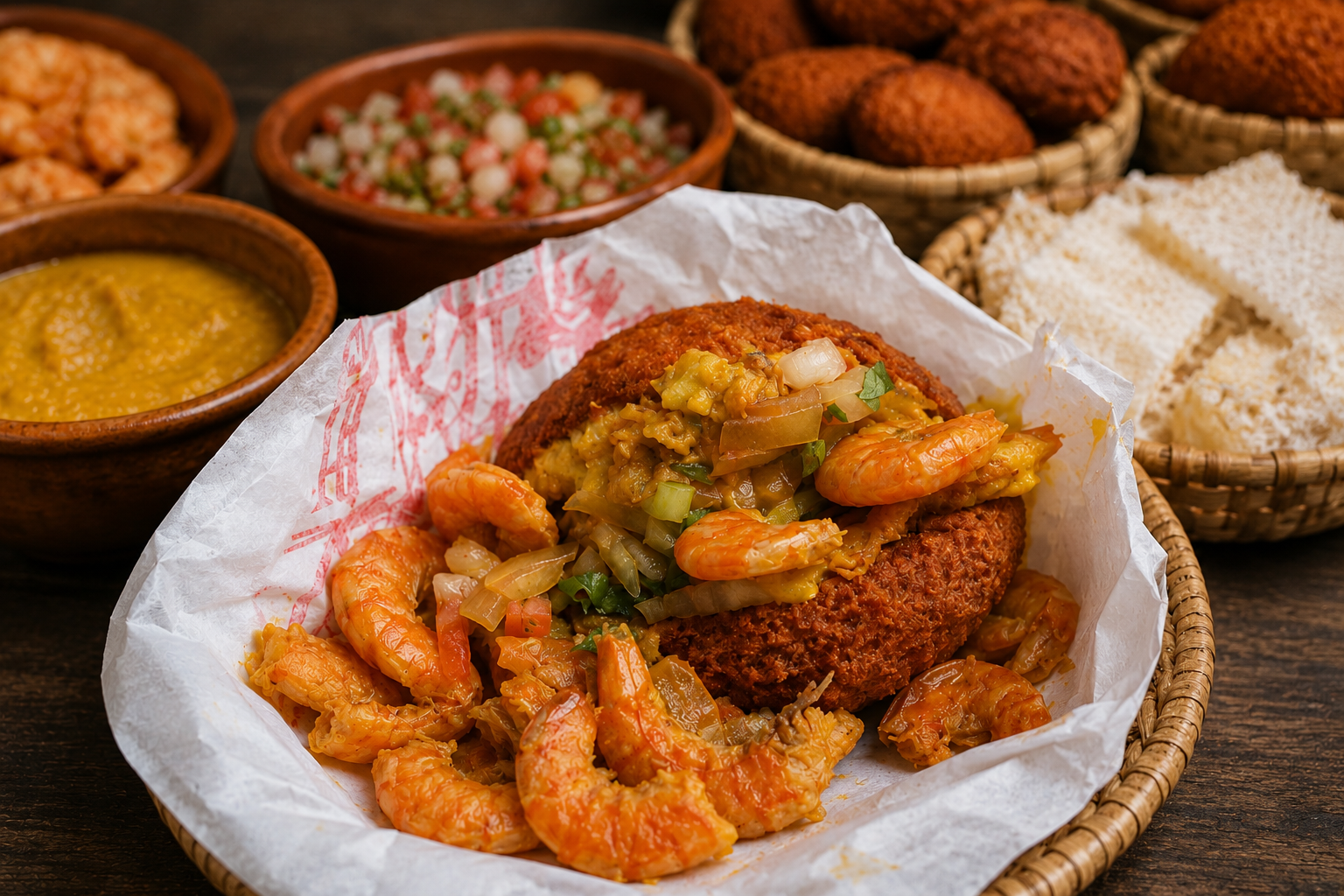
Acarajé in Salvador
A fried black-eyed pea cake, a street-food ritual and a piece of Salvador's living history — all in the same paper napkin.
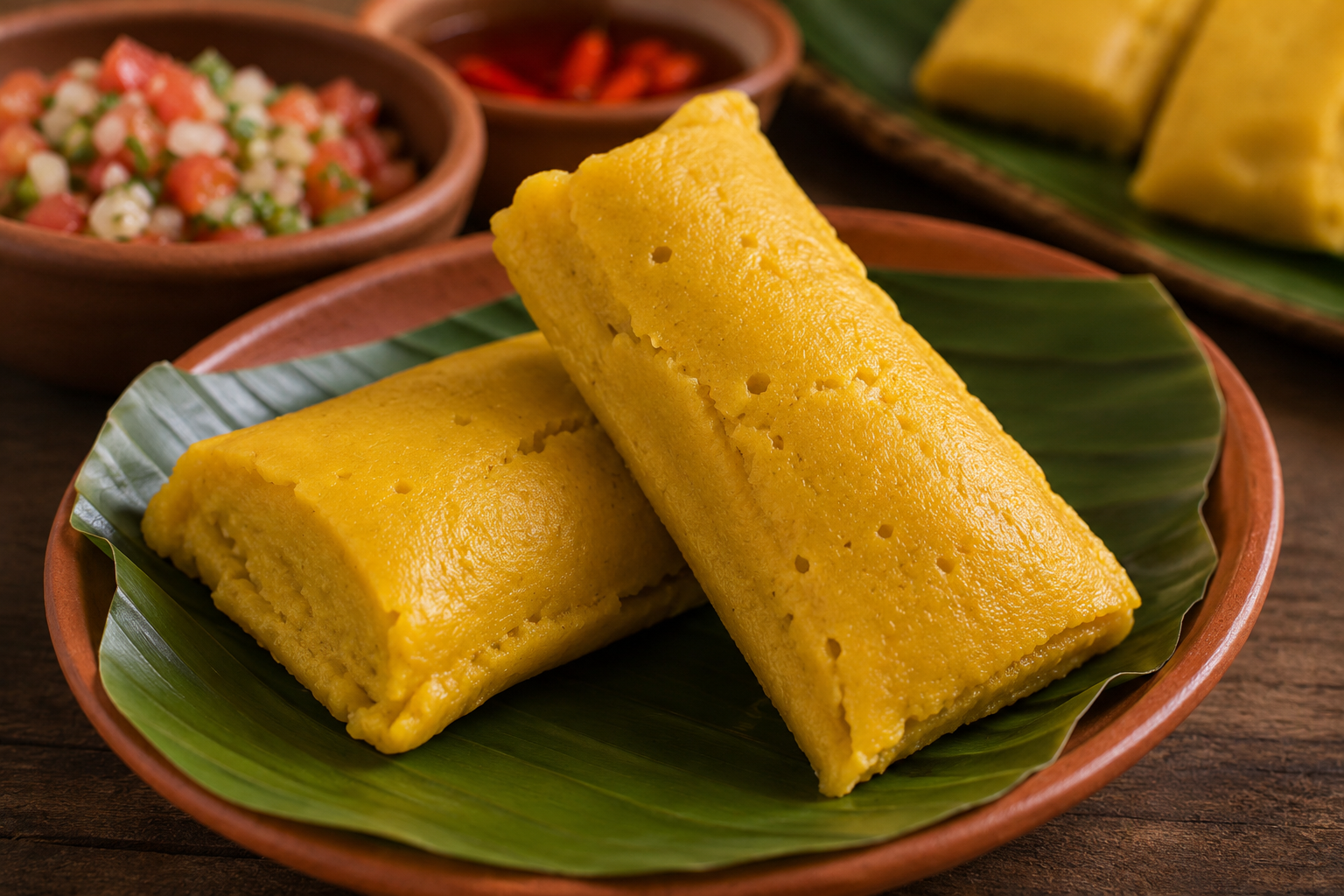
Abará in Salvador
Acarajé gets the fame. Abará deserves some of your attention too: softer, steamed in banana leaf and unmistakably part of Bahia's Afro-Brazilian table.