Abará in Salvador
A local guide to abará in Salvador: what it is, how banana-leaf steaming changes it, how it differs from acarajé and why you should try both.
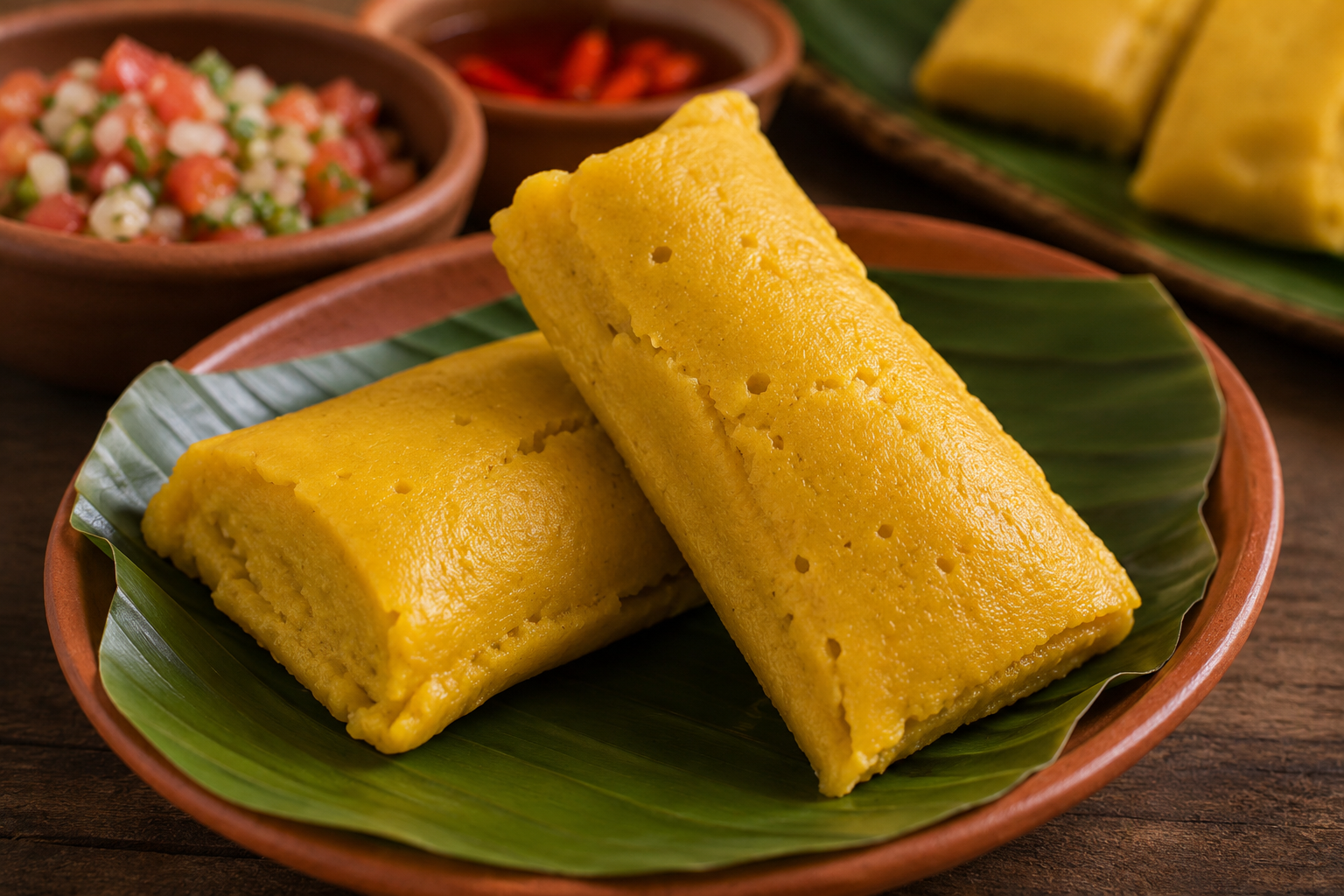
Acarajé gets the photographs, the headlines and most of the first-time visitors. Abará tends to sit more quietly on the baiana's tabuleiro. That is slightly unfair. It belongs to the same Afro-Bahian culinary world, but steaming it in banana leaf gives it a personality entirely its own: softer, moist, fragrant and generally gentler on the palate.
If you only know acarajé, don't skip abará. They are relatives, not twins.
What exactly is abará?
Abará starts with black-eyed peas, the same essential ingredient behind acarajé. The seasoned mixture can include onion, dendê palm oil and dried shrimp, and is portioned into banana leaves before being steamed. Instead of developing acarajé's fried crust, it stays tender and compact, with the leaf contributing aroma while the dendê runs through the mixture rather than surrounding it in the frying pan.
The banana leaf is not decorative packaging. It is part of the cooking method: the parcel holds the mixture while it steams and contributes to the aroma of the finished abará.
Abará is not simply 'boiled acarajé'
Calling abará a steamed acarajé is a useful five-second explanation and a terrible final definition. The two share black-eyed peas and belong to the same culinary tradition, but the preparation changes the food. Acarajé is shaped and fried in hot dendê oil. Abará is seasoned before cooking, wrapped in banana leaf and steamed. The result differs in texture, aroma, richness and the way the palm oil presents itself.
| Abará | Acarajé | |
|---|---|---|
| Main base | Black-eyed peas | Black-eyed peas |
| Cooking | Steamed in banana leaf | Fried in dendê oil |
| Texture | Soft, moist and compact | Crisp outside, softer inside |
| First impression | Usually gentler | More assertive fried-dendê flavour |
A gentler introduction to dendê
For many people, abará feels lighter in flavour than acarajé. That does not mean bland, and it certainly does not mean diet food. The dendê, seasonings and possible dried shrimp are still very much present. But without the fried exterior and with the softer steamed texture, the overall experience can feel less intense. If dendê is completely new to you, abará can be a very friendly place to begin.
INSIDER TAKE — Our local preference leans slightly toward abará. We eat both happily, but the softer texture and gentler flavour usually win by a nose. This is an editorial preference, not a decree from the Republic of Bahia.
How is it served?
You will often see abará still wrapped in its banana leaf on a baiana's tabuleiro. It can be opened and eaten on its own, or served with some of the same companions found around acarajé: vatapá, caruru, dried shrimp, salad and chilli, depending on the baiana and how you order it. The important part is not to assume every tabuleiro assembles it in exactly the same way.
Part of the baiana's world
Abará is one of the foods traditionally associated with the tabuleiro das baianas, alongside acarajé, vatapá, caruru, cocadas and other preparations. That places it inside the broader cultural universe protected through the registered Ofício das Baianas de Acarajé: knowledge, foodways, clothing, work and Afro-Brazilian religious traditions that cannot really be understood by staring at a recipe alone.
Where should you try it?
At a good baiana's tabuleiro. Our current named acarajé and abará recommendations are kept in the central Where to Eat guide. A particularly useful experiment is to order one acarajé and one abará from the same tabuleiro and share them; the difference becomes obvious much faster than any comparison table can manage.
Useful Portuguese
| Say this | What it means |
|---|---|
| Tem abará? | Do you have abará? |
| Um abará, por favor. | One abará, please. |
| Sem pimenta, por favor. | No chilli, please. |
| Pode colocar tudo. | You can add all the accompaniments. |
Frequently asked questions
- Is abará the same as acarajé?
- No. They share black-eyed peas and the same Afro-Bahian culinary universe, but acarajé is fried in dendê oil while abará is seasoned, wrapped in banana leaf and steamed. The cooking method produces a very different texture and flavour.
- Is abará less spicy than acarajé?
- The chilli level depends largely on how it is served. Abará often feels gentler overall because it is steamed rather than fried, but chilli sauce can still make either preparation very hot. Ask for “sem pimenta” if you prefer none.
- Is abará vegetarian?
- Do not assume so. Traditional recipes may include dried shrimp in the mixture or accompaniments. Ask the baiana specifically about the ingredients if you avoid seafood.
Related reading
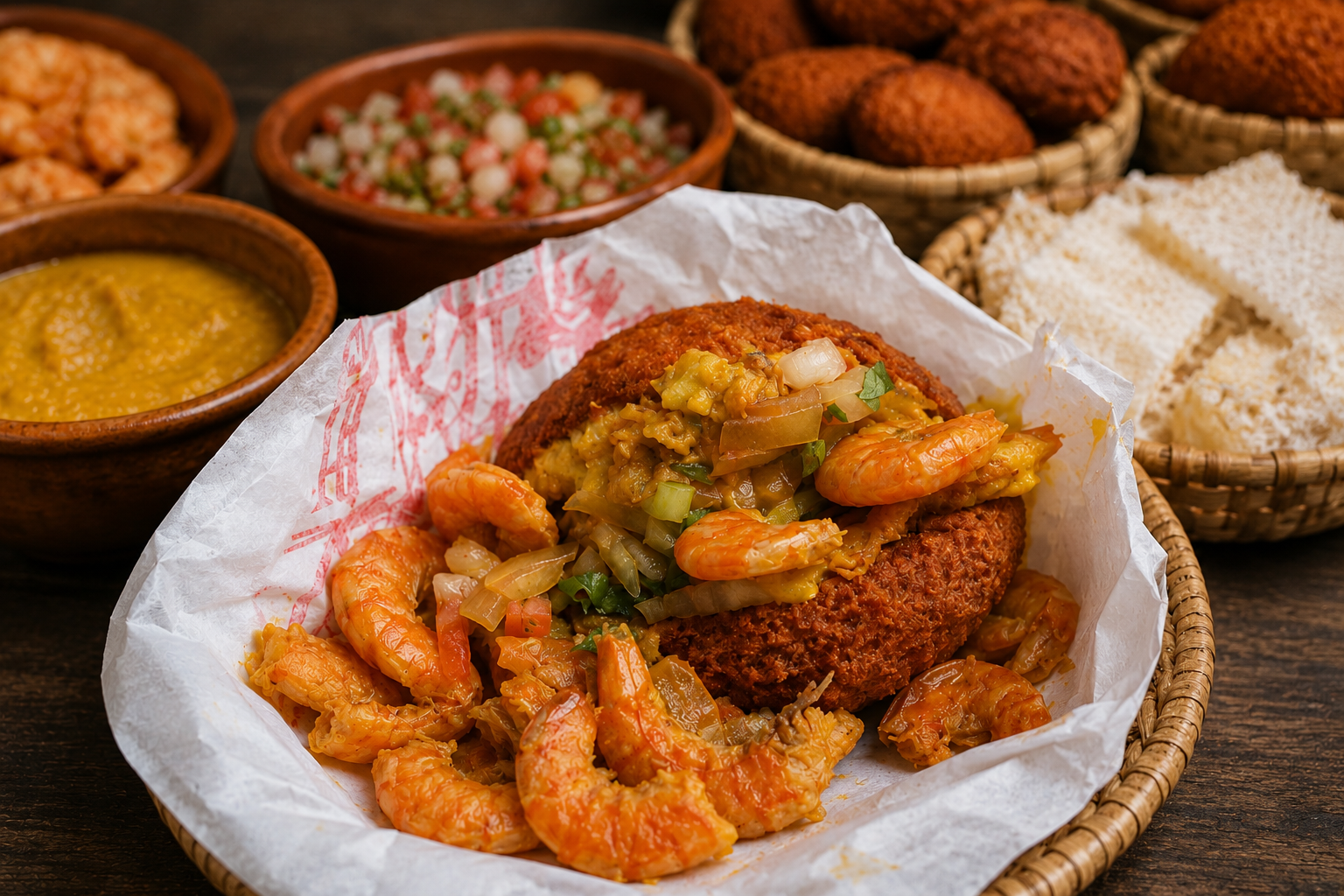
Acarajé in Salvador
A fried black-eyed pea cake, a street-food ritual and a piece of Salvador's living history — all in the same paper napkin.
Bahian food guide
Dendê, coconut milk, dried shrimp and the sea: the grammar of Bahian cooking.
Street food
The most important meal in Salvador is often bought standing up.